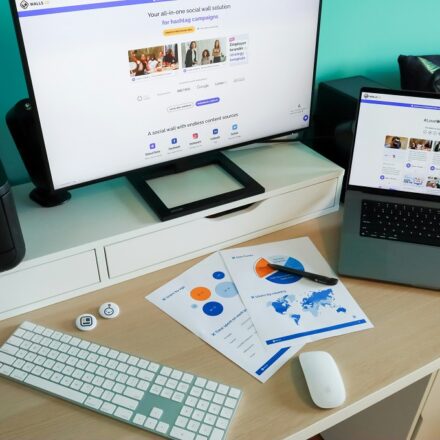


Digital marketing is constantly evolving, and staying ahead requires the right set of tools. From analytics and SEO to social media management and content creation, the right tools can save time, optimize campaigns, and improve ROI. For marketers in 2026, knowing which tools to leverage is essential for staying competitive and delivering results.
Table Of Content
Here’s a comprehensive guide to digital marketing tools every marketer should know.
1. SEO Tools
Search engine optimization is the foundation of organic traffic growth. Essential SEO tools include:
- Ahrefs: For backlink analysis, keyword research, and competitor insights
- SEMRush: For tracking rankings, analyzing competitors, and optimizing content
- Surfer SEO: For on-page SEO recommendations and content optimization
Why it matters: SEO tools help marketers improve search rankings, drive organic traffic, and uncover opportunities to outperform competitors.
2. Content Marketing Tools
Creating engaging content consistently is critical for digital marketing success:
- Canva: For designing graphics, social media visuals, and infographics
- Jasper AI: For generating blog posts, ad copy, and social media content
- Grammarly: For error-free, polished writing
Why it matters: Content marketing tools streamline creation, maintain brand consistency, and enhance audience engagement.
3. Social Media Management Tools
Managing multiple social media accounts efficiently requires specialized tools:
- Hootsuite: For scheduling posts, monitoring engagement, and tracking analytics
- Buffer: For multi-platform scheduling and performance reporting
- Later: For Instagram planning, visual content scheduling, and analytics
Why it matters: These tools save time, maintain consistent posting, and provide insights into audience behavior.
4. Email Marketing Tools
Email marketing remains one of the highest-ROI channels:
- Mailchimp: For creating email campaigns, automation, and analytics
- HubSpot: For CRM integration, personalized email workflows, and lead nurturing
- ConvertKit: For targeted campaigns and segmentation
Why it matters: Email tools enable personalized communication, automate workflows, and measure campaign success.
5. Analytics and Data Tools
Data-driven decisions are essential for optimizing campaigns:
- Google Analytics 4 (GA4): For website traffic, user behavior, and conversion tracking
- Hotjar: For heatmaps, session recordings, and user insights
- Tableau: For advanced data visualization and reporting
Why it matters: Analytics tools help marketers understand performance, optimize campaigns, and justify ROI.
6. Paid Advertising Tools
Maximizing ROI from paid campaigns requires precision tools:
- Google Ads: For search and display campaigns targeting specific keywords and demographics
- Facebook Ads Manager: For highly targeted social media advertising
- AdRoll: For retargeting campaigns across web and social platforms
Why it matters: Advertising tools ensure campaigns reach the right audience, maximize conversions, and control budget efficiently.
7. Marketing Automation Tools
Automation saves time and improves efficiency:
- HubSpot: For automating emails, workflows, lead scoring, and CRM management
- Marketo: For lead nurturing, campaign management, and analytics
- Zapier: For connecting apps and automating repetitive marketing tasks
Why it matters: Marketing automation reduces manual work, streamlines processes, and improves campaign performance.
8. AI-Powered Marketing Tools
AI is transforming how marketers create, analyze, and optimize campaigns:
- ChatGPT: For content generation, conversational marketing, and customer support
- Canva AI: For AI-assisted graphic design
- Surfer SEO AI: For content optimization and keyword insights
Why it matters: AI tools increase productivity, enable personalized campaigns, and help marketers make smarter decisions faster.
Final Thoughts
Digital marketing in 2026 is complex, fast-paced, and highly competitive. Using the right tools can save time, improve efficiency, and drive better results. From SEO and content creation to social media management, analytics, paid advertising, automation, and AI, these tools equip marketers to create data-driven, high-impact campaigns.
By mastering these digital marketing tools, marketers can optimize strategies, reach their target audience effectively, and stay ahead of the competition in an increasingly digital world.