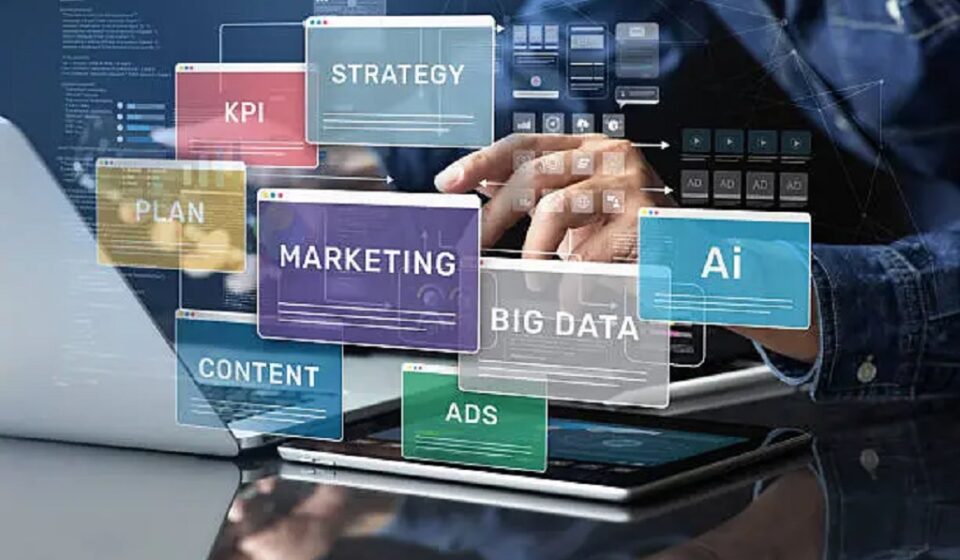

Artificial intelligence (AI) is transforming the marketing and advertising landscape at an unprecedented pace. From personalized campaigns and predictive analytics to automated content creation and customer engagement, AI tools are reshaping how brands connect with their audiences. As we look to the future, the role of AI in marketing will only become more significant, enabling businesses to deliver smarter, faster, and more impactful campaigns.
Table Of Content
Here’s a closer look at the future of AI tools in marketing and advertising and what it means for businesses in 2026 and beyond.
1. Hyper-Personalization at Scale
AI allows marketers to create highly personalized experiences for each customer. By analyzing user behavior, preferences, and engagement patterns, AI can deliver tailored content, product recommendations, and advertisements.
Future Trends:
- Dynamic ad content that adapts in real time
- Personalized email campaigns based on individual behavior
- Predictive product recommendations that anticipate customer needs
This level of personalization increases engagement and conversion rates while improving the overall customer experience.
2. Predictive Analytics for Smarter Decisions
Predictive analytics powered by AI helps marketers forecast trends, understand audience behavior, and optimize campaign performance. By analyzing historical data, AI can identify patterns and suggest strategies that maximize ROI.
Future Trends:
- AI-driven campaign optimization
- Forecasting customer lifetime value and churn risk
- Automated budget allocation based on predicted performance
Businesses that leverage predictive analytics will be able to make faster, more informed decisions and stay ahead of competitors.
3. AI-Powered Content Creation
Creating engaging content is one of the most time-consuming aspects of marketing. AI tools like ChatGPT, Jasper AI, and Midjourney are enabling marketers to generate high-quality text, images, videos, and graphics quickly.
Future Trends:
- Real-time content generation tailored to audience segments
- AI-assisted video editing and social media visuals
- Automated copywriting for ads, emails, and landing pages
This empowers marketing teams to produce more content without compromising quality or creativity.
4. Enhanced Customer Engagement
AI tools are improving how brands interact with customers. Chatbots, virtual assistants, and AI-driven messaging platforms can provide instant support, answer questions, and guide users through the purchase journey.
Future Trends:
- Conversational AI that mimics human interactions
- Automated multi-channel engagement across social media, email, and chat
- Sentiment analysis to respond to customer emotions in real time
AI ensures that businesses can maintain consistent, high-quality engagement at scale.
5. Smarter Advertising and Programmatic Buying
AI is revolutionizing digital advertising by optimizing ad placement, targeting, and bidding. Programmatic advertising uses AI to automatically buy and place ads where they are most likely to convert.
Future Trends:
- AI-driven ad creative testing for optimal performance
- Real-time audience segmentation and targeting
- Predictive bidding strategies to maximize ad ROI
This allows marketers to reduce waste, increase efficiency, and deliver more relevant ads to their audiences.
6. Ethical and Transparent AI Marketing
As AI becomes more integrated into marketing, ethical use and transparency are becoming crucial. Brands will need to ensure that AI tools respect privacy, avoid bias, and maintain trust with customers.
Future Trends:
- AI-driven compliance monitoring for data privacy
- Transparent AI-generated content disclosures
- Ethical targeting and fairness in ad algorithms
Businesses that prioritize ethical AI will strengthen customer trust and long-term brand loyalty.
Final Thoughts
The future of AI in marketing and advertising is bright. AI tools are enabling hyper-personalization, smarter decision-making, automated content creation, enhanced customer engagement, and optimized advertising campaigns.
For businesses, the key to success will be integrating AI thoughtfully into their strategies, using it to amplify human creativity and insight rather than replace it. As AI technology continues to evolve, marketing and advertising will become more efficient, data-driven, and customer-centric than ever before.
By embracing AI, businesses can stay ahead of the curve, deliver meaningful experiences, and achieve remarkable growth in the competitive landscape of 2026 and beyond.