
In today’s fast-paced digital world, data is growing at an unprecedented rate. From smart devices in our homes to sensors in factories, billions of devices generate massive amounts of information every second. But sending all this data to centralized cloud servers for processing can be slow and inefficient. That’s where edge computing comes in.
Table Of Content
Edge computing brings processing closer to where the data is created, offering faster, smarter, and more reliable digital experiences. Let’s break it down in simple terms.
What Is Edge Computing?
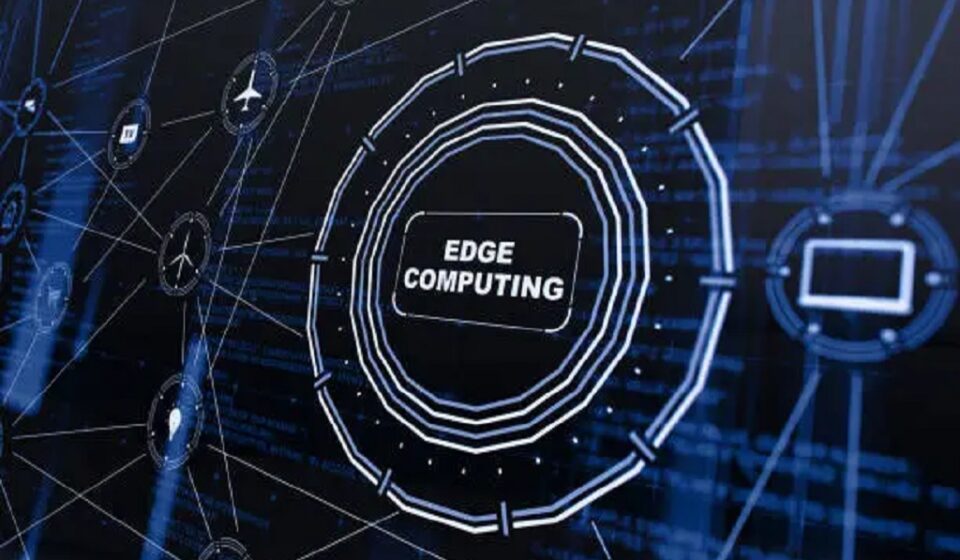
Edge computing is a technology approach where data is processed near its source — “at the edge” of the network — rather than relying entirely on a centralized cloud server.
Think of it like this: instead of sending all your home security camera footage to a distant data center for analysis, an edge device (like the camera itself) can analyze footage locally and only send alerts or important data to the cloud. This reduces latency, saves bandwidth, and enhances real-time decision-making.
How Edge Computing Works
- Data Generation: Sensors, cameras, IoT devices, and other endpoints produce data.
- Local Processing: Edge devices (or nearby micro data centers) analyze the data on-site.
- Selective Transmission: Only relevant or aggregated data is sent to the central cloud for further analysis or storage.
- Action & Response: The system can respond immediately, whether it’s triggering an alert, adjusting machinery, or updating an application.
By processing data closer to its source, edge computing reduces delays, increases efficiency, and enables real-time insights.
Key Benefits of Edge Computing
- Low Latency: Critical for applications that require instant responses, such as autonomous vehicles, industrial robots, or augmented reality.
- Bandwidth Efficiency: Less data needs to travel to the cloud, reducing network congestion and costs.
- Improved Security & Privacy: Sensitive data can be processed locally without exposing it to external networks.
- Reliability: Devices can function even if the connection to the central cloud is slow or temporarily unavailable.
Real-World Applications of Edge Computing
- Autonomous Vehicles: Cars need to process sensor data in real-time to make split-second decisions.
- Smart Cities: Traffic lights, public transport, and surveillance systems rely on edge computing to optimize traffic flow and safety.
- Industrial IoT (IIoT): Factories use edge devices to monitor equipment and detect anomalies before breakdowns occur.
- Healthcare: Medical devices can analyze patient data in real-time for faster diagnosis and monitoring.
- Retail & Logistics: Edge computing powers smart checkout systems, inventory management, and supply chain optimization.
Edge vs. Cloud Computing
| Feature | Edge Computing | Cloud Computing |
|---|---|---|
| Data Processing | Near the source (local) | Centralized data centers |
| Latency | Low (faster responses) | Higher latency |
| Bandwidth Usage | Lower (less data transfer) | Higher (all data sent to cloud) |
| Ideal For | Real-time applications | Heavy computation & storage |
In short, edge computing complements the cloud, allowing devices to act quickly while leveraging the cloud for large-scale analytics and storage.
The Future of Edge Computing
With the growth of 5G networks, IoT devices, and AI-powered applications, edge computing is becoming increasingly important. Experts predict that by the mid-2020s, billions of devices will rely on edge processing to deliver fast, intelligent, and secure services across industries.
Edge computing isn’t just a technical concept — it’s a foundational shift in how data is processed, making our digital experiences faster, smarter, and more efficient.
Edge computing may sound complex, but the idea is simple: process data where it’s generated, act fast, and send only what’s necessary to the cloud. Whether it’s self-driving cars, smart factories, or connected healthcare, edge computing is quietly transforming the way technology interacts with the real world.