
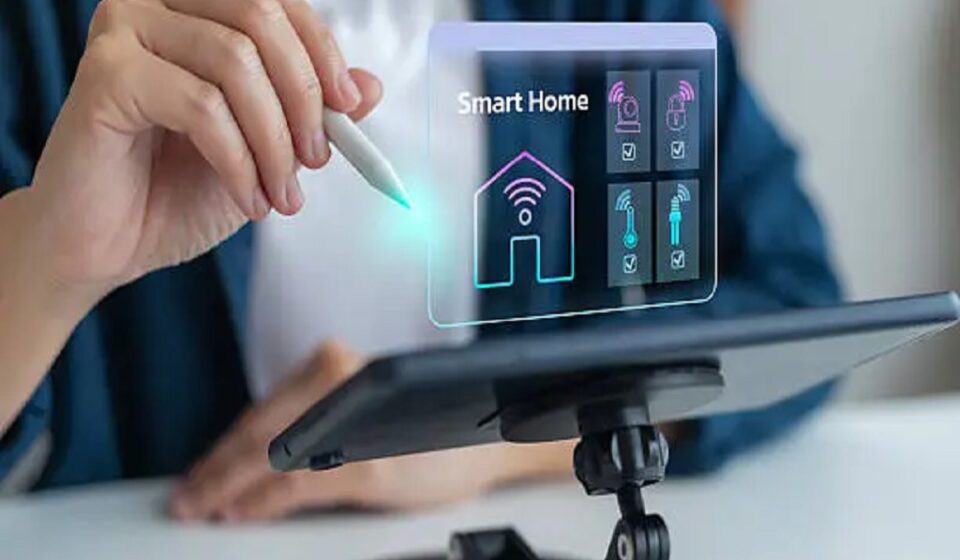

Technology is rapidly transforming the way we live, and one of the most exciting developments is the rise of smart homes powered by the Internet of Things (IoT). Smart homes use connected devices, sensors, and automation to improve comfort, security, and energy efficiency. As technology continues to evolve, the future of smart homes promises even greater convenience and innovation.
Table Of Content
- What Are Smart Homes?
- Understanding the Internet of Things (IoT)
- Key Benefits of Smart Homes
- Convenience
- Improved Security
- Energy Efficiency
- Emerging Smart Home Technologies
- AI-Powered Home Automation
- Integration with 5G Networks
- Smart Appliances
- Health Monitoring in Smart Homes
- Challenges of Smart Homes
- Privacy and Security
- Compatibility Issues
- Cost of Installation
- The Future of Smart Living
- Conclusion
In this blog, we explore what smart homes and IoT are, how they work, and what the future holds for this growing technology.
What Are Smart Homes?
A smart home is a house equipped with internet-connected devices that can be controlled remotely or automatically. These devices communicate with each other through the Internet of Things (IoT), allowing homeowners to manage different aspects of their homes using smartphones, voice assistants, or automation systems.
For example, smart homes may include:
- Smart lighting systems
- Smart thermostats
- Smart security cameras
- Smart appliances
- Voice-controlled assistants
Devices such as Amazon Echo and Google Nest Hub act as central hubs that allow users to control multiple smart devices with simple voice commands.
Understanding the Internet of Things (IoT)
The Internet of Things (IoT) refers to a network of physical devices connected to the internet that collect and exchange data.
These devices are equipped with sensors, software, and connectivity features that allow them to communicate with each other.
Examples of IoT devices include:
- Smart home gadgets
- Fitness trackers
- Connected vehicles
- Smart city infrastructure
By sharing data and automating tasks, IoT devices help make everyday activities more efficient and convenient.
Key Benefits of Smart Homes
Smart homes provide several advantages that make daily life easier and more efficient.
Convenience
Smart devices can be controlled remotely through mobile apps or voice assistants. For example, homeowners can turn off lights, adjust the thermostat, or lock doors without being physically present.
Voice assistants like Amazon Alexa and Google Assistant allow users to control devices using simple voice commands.
Improved Security
Smart home security systems provide real-time monitoring and alerts. Smart cameras, doorbells, and motion sensors help homeowners keep track of activity around their property.
Products like Ring Video Doorbell allow users to see and speak with visitors through their smartphones.
Energy Efficiency
Smart thermostats and lighting systems can automatically adjust based on user behavior, helping reduce energy consumption.
For example, Nest Learning Thermostat learns a household’s schedule and adjusts temperature settings to save energy.
Emerging Smart Home Technologies
The future of smart homes will include even more advanced technologies that improve automation and intelligence.
AI-Powered Home Automation
Artificial Intelligence will make smart homes more intelligent by learning user habits and preferences.
For example, AI systems could:
- Adjust lighting and temperature automatically
- Suggest energy-saving routines
- Predict maintenance needs for appliances
This level of automation will make homes more efficient and personalized.
Integration with 5G Networks
The expansion of 5G technology will significantly enhance IoT connectivity. Faster internet speeds and lower latency will allow smart devices to communicate instantly.
This will enable:
- Faster device response times
- More connected devices per household
- Improved reliability for smart systems
Smart Appliances
Home appliances are becoming smarter and more connected. Future refrigerators, ovens, washing machines, and other appliances will be able to monitor their performance and communicate with other devices.
For instance, a smart refrigerator may notify users when groceries are running low or suggest recipes based on available ingredients.
Health Monitoring in Smart Homes
Future smart homes may include health monitoring systems that track residents’ well-being.
Examples include:
- Smart beds that monitor sleep quality
- Wearable devices connected to home health systems
- Sensors that detect falls or emergencies for elderly residents
These innovations could significantly improve healthcare and independent living for seniors.
Challenges of Smart Homes
Despite their benefits, smart homes also face several challenges.
Privacy and Security
Since smart devices collect and share data, protecting personal information is essential. Strong security measures are required to prevent hacking and data breaches.
Compatibility Issues
Many smart home devices come from different manufacturers and may not always work seamlessly together.
Efforts are underway to create universal standards that improve compatibility among devices.
Cost of Installation
While prices are gradually decreasing, some advanced smart home systems can still be expensive to install and maintain.
However, as technology becomes more widespread, costs are expected to decline.
The Future of Smart Living
The future of smart homes is closely connected to the continued growth of IoT, artificial intelligence, and high-speed internet. Homes will become more automated, efficient, and responsive to the needs of their occupants.
In the coming years, we may see homes that can:
- Manage energy usage automatically
- Provide personalized environments for each resident
- Communicate with smart cities and connected vehicles
- Offer advanced safety and healthcare monitoring
Smart homes will likely become a standard feature of modern living.
Conclusion
Smart homes and the Internet of Things are transforming the way people interact with their living spaces. By connecting devices and automating everyday tasks, these technologies offer greater convenience, security, and energy efficiency.
As innovations in AI, 5G, and IoT continue to evolve, the future of smart homes will become even more intelligent and interconnected. What once seemed like science fiction is quickly becoming reality, shaping a new era of smart living. 🏠📡